
Category: Search Engine Marketing (SEM)

Understanding Core Web Vitals: The Key to Better Google Rankings

In the ever-evolving landscape of digital marketing, one factor remains a constant concern for website owners and marketers: Google rankings. As we know, visibility on search engines can make or break a business, and one of the most significant influences on these rankings is user experience. This is where Core Web Vitals come into play, serving as essential metrics for determining how well a website performs in real-world scenarios.
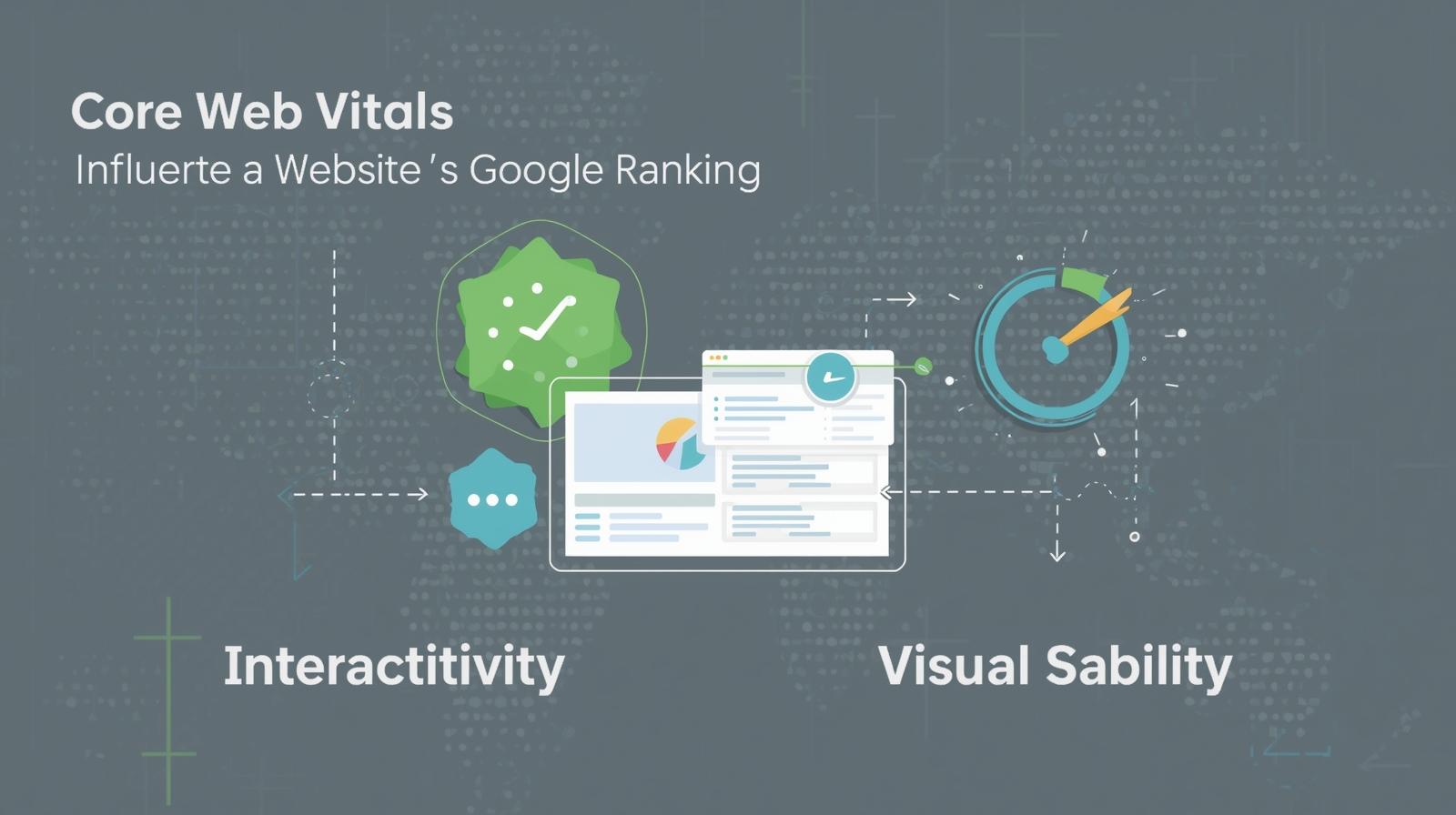
Core Web Vitals focus on three critical aspects of user experience: page loading speed, interactivity, and visual stability. Understanding these metrics can help you enhance your website’s performance and improve its standing in Google search results.

What Are Core Web Vitals?

Core Web Vitals consist of three primary metrics:

1. Largest Contentful Paint (LCP): This measures loading performance. A fast LCP helps ensure that the main content of a webpage loads quickly, enhancing the user’s experience. Ideally, LCP should occur within 2.5 seconds of the page starting to load.

2. First Input Delay (FID): This evaluates interactivity. Essentially, it tracks the time from when a user first interacts with a webpage (such as clicking a link or button) to the time when the browser responds to that interaction. A good FID score is less than 100 milliseconds.

3. Cumulative Layout Shift (CLS): This metric measures visual stability. It quantifies how much the page layout shifts during loading, which can lead to annoying experiences for users. Aim for a CLS score of less than 0.1 to keep your page stable and user-friendly.

Why Do Core Web Vitals Matter?

Google has made it clear that user experience is a critical factor in its ranking algorithm. Websites that successfully meet the benchmarks of Core Web Vitals can achieve several benefits, including:

– Higher Visibility: A well-optimized site is more likely to rank higher in search results, making it easier for users to find you.

– Improved Engagement: Sites that load quickly and offer seamless interactions keep visitors on the page longer, reducing bounce rates and increasing engagement.

– Better Search Performance: Google prioritizes sites that deliver great user experiences. Therefore, websites that score well on Core Web Vitals will likely perform better in organic search traffic.

Incorporating Core Web Vitals into your website optimization strategy is no longer optional. These metrics are vital for ensuring that your site offers a positive user experience and ranks well with Google. Focus on improving your LCP, FID, and CLS scores to increase your chances of achieving higher visibility and better search performance.

By prioritizing user experience through Core Web Vitals, you not only enhance your site’s ranking potential but also create a more engaging and enjoyable experience for your visitors. Start evaluating your website’s performance today, and make necessary adjustments to keep up with the competitive landscape in digital marketing.

For more information on how to optimize your website for Core Web Vitals, feel free to reach out at 9888919784, or you can contact us at info@gowebworld.com. Together, let’s enhance your website’s performance!

In today’s competitive online landscape, having a well-optimized website is crucial for improving visibility, attracting organic traffic, and ultimately achieving business goals. Search Engine Optimization (SEO) plays a pivotal role in ensuring that your website ranks high in search engine results pages (SERPs) and remains visible to potential customers. By implementing effective SEO strategies, you can enhance your website’s performance and drive sustainable growth. This comprehensive guide explores essential SEO strategies for optimizing your website.

Understanding SEO Strategies

SEO strategies encompass a range of techniques and practices aimed at improving a website’s ranking in search engine results. These strategies focus on optimizing various elements of a website, including content, keywords, metadata, site structure, and user experience. By aligning your website with search engine algorithms and user intent, you can increase its visibility and attract relevant traffic.

Targeting Keywords

Keywords are the foundation of SEO and play a critical role in determining your website’s relevance to search queries. Effective keyword research involves identifying relevant terms and phrases that your target audience is likely to use when searching for products, services, or information related to your business. By strategically incorporating these keywords into your website’s content, titles, headings, and metadata, you can improve its visibility in search results.

On-Page Optimization

On-page optimization involves optimizing individual web pages to improve their relevance and visibility in search results. Key aspects of on-page optimization include:

Quality Content: Creating high-quality, informative, and engaging content that addresses the needs and interests of your target audience is essential for SEO success. Content should be well-written, relevant, and optimized for target keywords.

Title Tags and Meta Descriptions: Crafting compelling title tags and meta descriptions that accurately describe the content of your web pages can enhance click-through rates and improve search engine visibility.

Header Tags: Using header tags (H1, H2, H3, etc.) to structure your content not only improves readability but also helps search engines understand the hierarchical structure of your page and the relevance of its content.

Keyword Optimization: Strategically incorporating target keywords into your content, headings, image alt text, and metadata can improve your website’s relevance to search queries.

Optimized Images: Optimizing images by using descriptive filenames, alt text, and captions can improve accessibility and enhance your website’s SEO performance.

Off-Page Optimization

Off-page optimization focuses on improving your website’s authority, credibility, and relevance through external factors such as backlinks, social signals, and online reputation. Key off-page optimization strategies include:

Link Building: Acquiring high-quality backlinks from authoritative websites is essential for improving your website’s authority and search engine rankings. Focus on earning natural, relevant backlinks through content creation, outreach, and relationship building.

Social Media Marketing:

Leveraging social media platforms to promote your content, engage with your audience, and build brand awareness can indirectly impact your website’s SEO by driving traffic, generating social signals, and earning backlinks.

Online Reviews and Reputation Management:

Encouraging satisfied customers to leave positive reviews and managing online reputation can enhance your website’s credibility and trustworthiness, which can positively impact its search engine rankings.

Technical SEO

Technical SEO involves optimizing the technical aspects of your website to improve its crawlability, indexability, and overall performance. Key technical SEO strategies include:

Website Speed Optimization:

Improving page load times by optimizing images, minimizing code, enabling browser caching, and leveraging content delivery networks (CDNs) can enhance user experience and SEO performance.

Mobile-Friendly Design:

Ensuring that your website is mobile-friendly and responsive is essential for SEO, as Google prioritizes mobile-friendly websites in its search rankings.

Site Structure and Navigation:

Creating a clear and intuitive site structure with logical navigation helps search engines crawl and index your website more effectively, leading to improved visibility and rankings.

Schema Markup:

Implementing schema markup to provide search engines with additional context about your content can enhance its visibility and rich snippet appearance in search results.

Measuring and Monitoring Performance

Monitoring and analyzing your website’s performance using tools like Google Analytics and Google Search Console is essential for evaluating the effectiveness of your SEO strategies. Key performance metrics to track include organic traffic, keyword rankings, backlink profile, bounce rate, and conversion rate. By regularly monitoring these metrics and making data-driven adjustments to your SEO strategy, you can continuously improve your website’s performance and achieve your business objectives.

Conclusion
Optimizing your website for search engines is an ongoing process that requires a combination of technical expertise, strategic planning, and continuous optimization. By implementing effective SEO strategies, including targeting relevant keywords, optimizing on-page and off-page elements, focusing on technical aspects, and monitoring performance, you can improve your website’s visibility, attract organic traffic, and drive sustainable growth. With SEO as a cornerstone of your digital marketing strategy, you can position your website for long-term success in the competitive online landscape.

Use targeted keywords: Research and select keywords that are relevant to your target audience and have high search volume. This will ensure that your ads are shown to the right people who are more likely to convert into leads.

Create compelling ad copy:

Write persuasive and engaging ad copy that clearly communicates the benefits of your product or service. Use strong calls-to-action to encourage users to click on your ads and submit their information.

Optimize landing pages:

Design and optimize your landing pages to be conversion-focused. Design dedicated landing pages that are tailored to your PPC campaign. Ensure that your landing page has a clear and prominent CTA that stands out, and that it is optimized for conversions. Keep the form fields to a minimum to reduce friction and make it easy for visitors to submit their information. Make sure they have a clear and prominent call-to-action, a simple and user-friendly form, and relevant content that aligns with your ad copy.

Implement ad extensions:

Take advantage of ad extensions such as call extensions, site link extensions, and location extensions. These extensions provide additional information and options for users to engage with your ads, increasing the chances of generating leads.

Monitor and analyze campaign performance:

Regularly review your campaign performance metrics such as click-through rate (CTR), conversion rate, and cost per lead. Identify any underperforming ads or keywords and make necessary adjustments to optimize your campaign for better lead generation results.

Use ad scheduling:

Analyze your campaign data to determine the times and days when your target audience is most active and likely to convert. Adjust your ad scheduling accordingly to maximize your budget and increase the chances of generating leads during those high-converting periods.

Implement remarketing campaigns:

Set up remarketing campaigns to target users who have previously visited your website or engaged with your ads. This allows you to stay top-of-mind and re-engage with potential leads, increasing the likelihood of conversion.

Test different ad formats:

Experiment with different ad formats such as text ads, display ads, and video ads to see which ones resonate best with your target audience. Monitor the performance of each format and allocate more budget to the ones that generate the most leads.

Utilize audience targeting:

Take advantage of audience targeting options such as demographics, interests, and behaviors to narrow down your target audience. This helps you reach the right people who are more likely to be interested in your offering and convert into leads.

Continuously optimize your campaign:

Regularly review and analyze your campaign data to identify areas for improvement. Test different ad variations, landing page layouts, and targeting options to optimize your campaign for maximum lead generation. Stay up-to-date with industry trends and changes in PPC advertising platforms to ensure you are using the latest strategies and features.

Compelling Ad Copy:

Create compelling and concise ad copy that highlights the benefits and unique selling points of your product or service. Use strong calls-to-action (CTAs) to encourage users to click on your ads and convert into leads. Make sure your ad copy aligns with the keywords you are targeting to improve ad relevance.

A/B Testing:

Continuously perform A/B testing on different elements of your PPC campaign, including ad copy, headlines, landing page design, and CTA placement. Test one variable at a time to accurately measure the impact of each change. Optimize your campaign based on the results of these tests to improve lead generation performance.

Conversion Tracking and Analytics:

Set up conversion tracking and analytics to measure the effectiveness of your PPC campaign in generating leads. Use tools like Google Analytics or conversion tracking pixels to track conversions, identify the most successful keywords and ads, and make data-driven decisions to optimize your campaign further.

Remember, optimization is an ongoing process, so monitor your campaign regularly, make adjustments based on the data you collect, and refine your strategies to continuously improve your lead generation efforts.

Contact Us

Gowebworld Technologies
8043 WENTE WAY,
SACRAMENTO, CA,95829, USA.

+1 (916) 757 9219

info@gowebworld.com